On 9 November 2026, around 170 participants from fire brigades, lower water authorities, district governments and the water sector of Northrhine Westphalia in Western Germany met at an event that is about to redefine how several players confront the rising risk of flash floods:
The event "Hochwasser gemeinsam meistern" (Mastering Floods Together) was hosted by FlashFloodBreaker partner Emschergenossenschaft/Lippeverband (EGLV) and marked an important step towards a Flash Flood Responsive Community in the Emscher-Lippe region.
Why local cooperation matters
Climate change is confronting the Emscher-Lippe region with new extremes. Long periods of heat and drought can be followed by intense rainfall within a very short time. The Lippe flood at the turn of 2023/2024 showed once again that a crisis can only be managed well when everyone involved works together and shares reliable information. This is the core idea behind FlashFloodBreaker's Flash Flood Responsive Communities. In these communities, water managers, emergency services, authorities and citizens know the risks, understand their roles and are used to acting together.
Bringing regional partners to one table
The event was opened by Frank Obenaus, EGLV Board Member for Water Management and Technology, and moderated by Torsten Frehmann, EGLV Head of Operations. Claudia Glase of the German Weather Service (DWD) explained why regional heavy rainfall is so difficult to forecast and why continuous monitoring of the weather situation is essential.
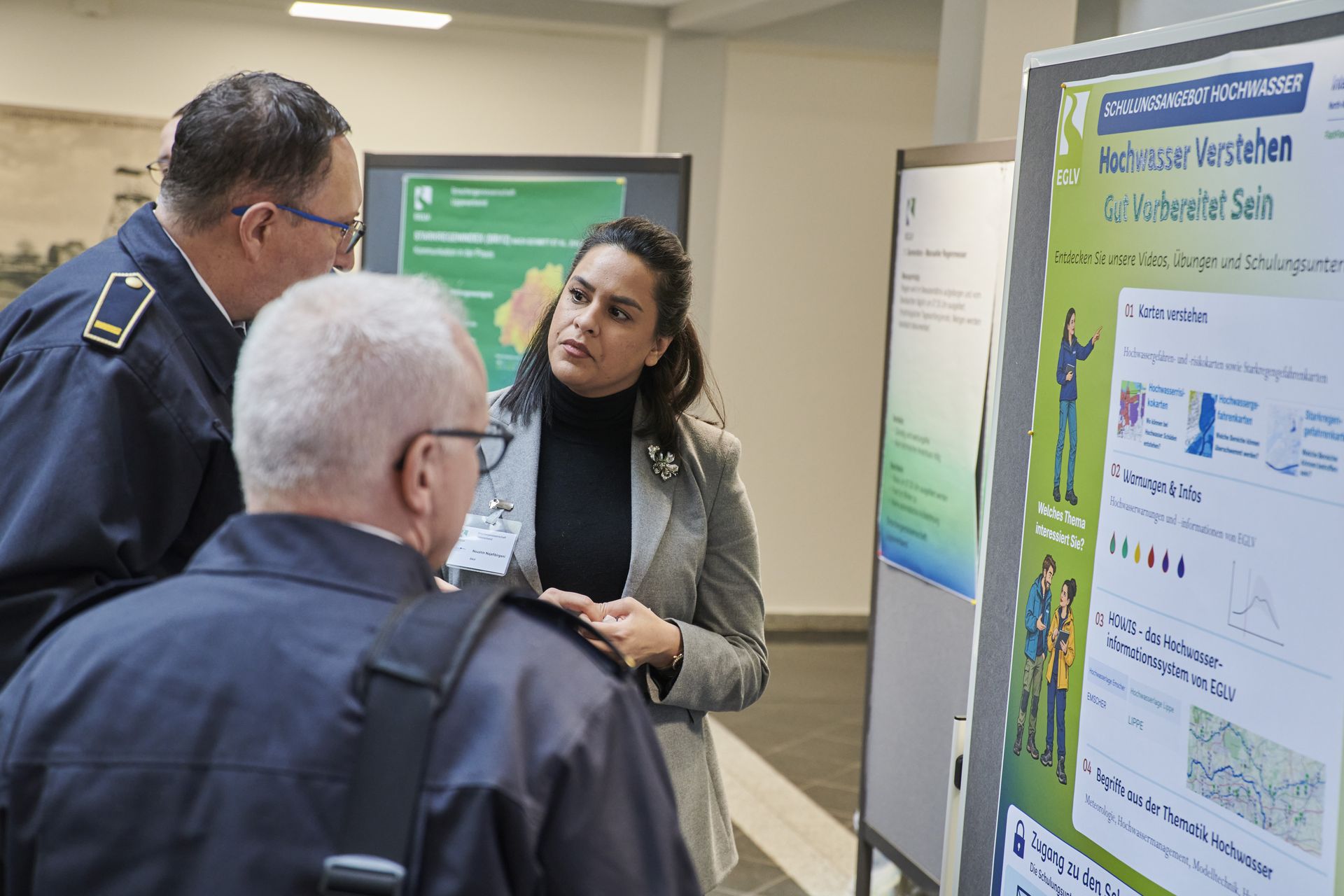
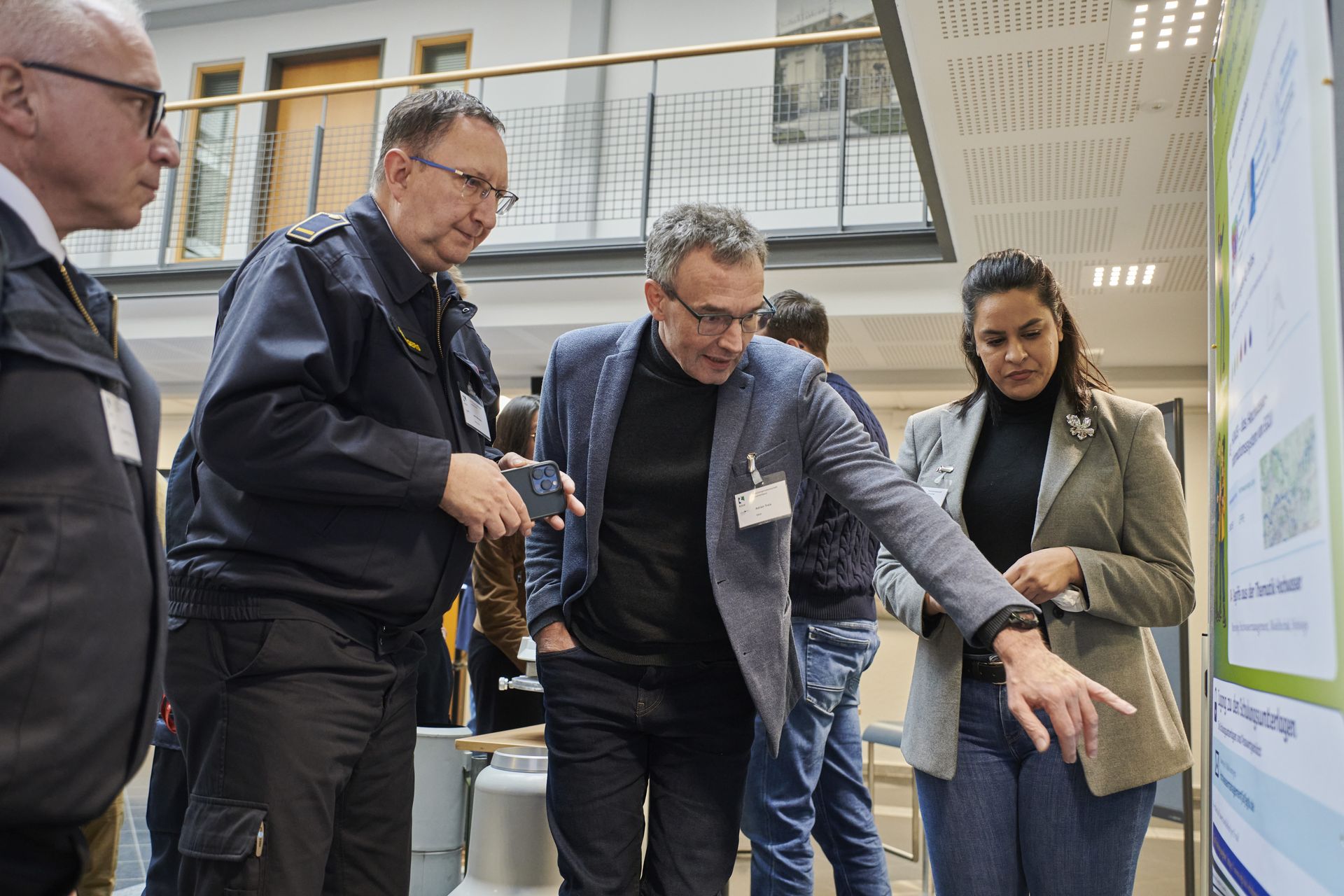
EGLV experts presented the flood risks along the Emscher and Lippe rivers and showed how forward-looking preparedness reduces damage when an emergency happens.
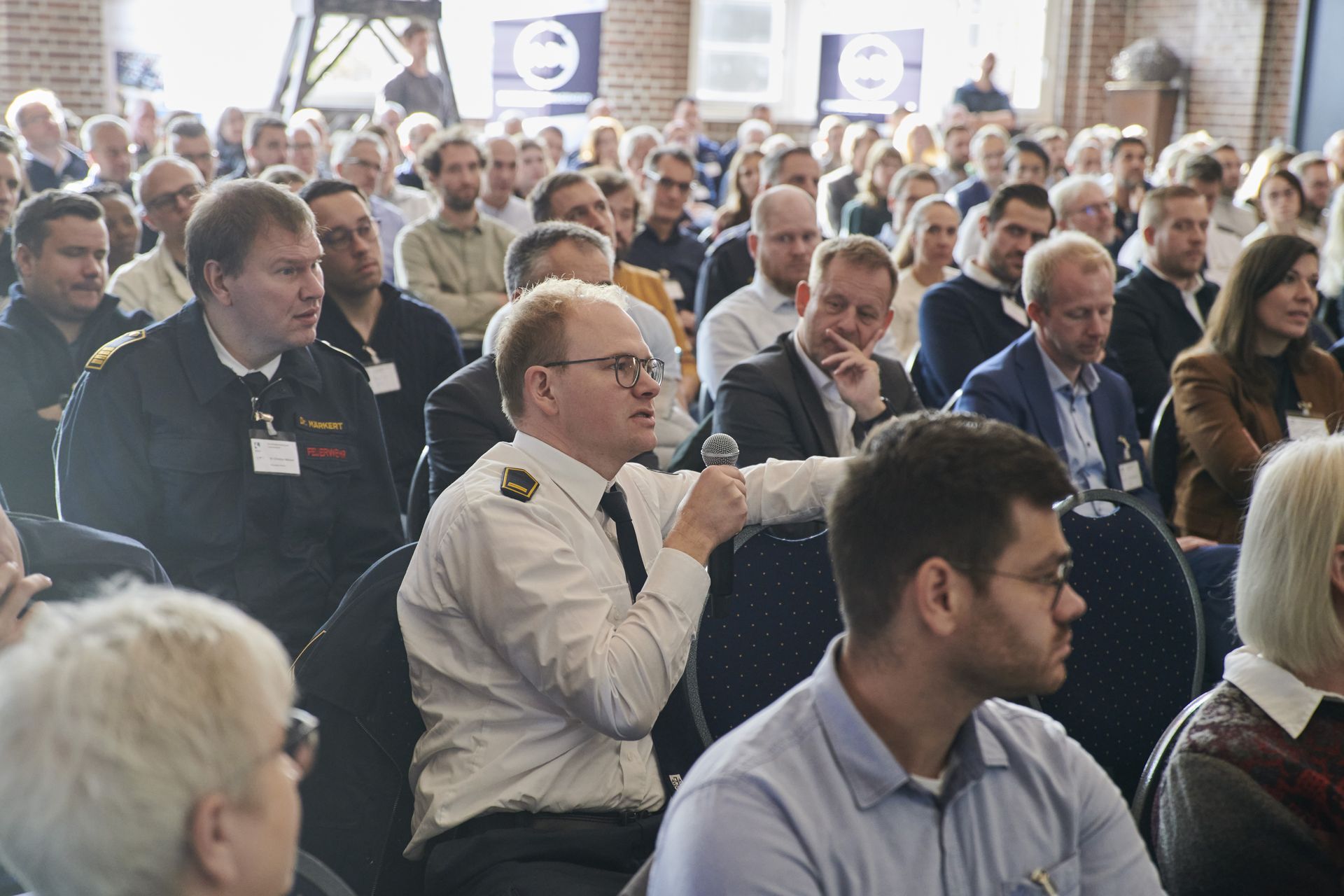
Representatives of local fire brigades and lower water authorities shared their own experiences from the municipalities. Their contributions showed how important it is to bring different perspectives together, coordinate procedures and keep developing cooperation between organisations.
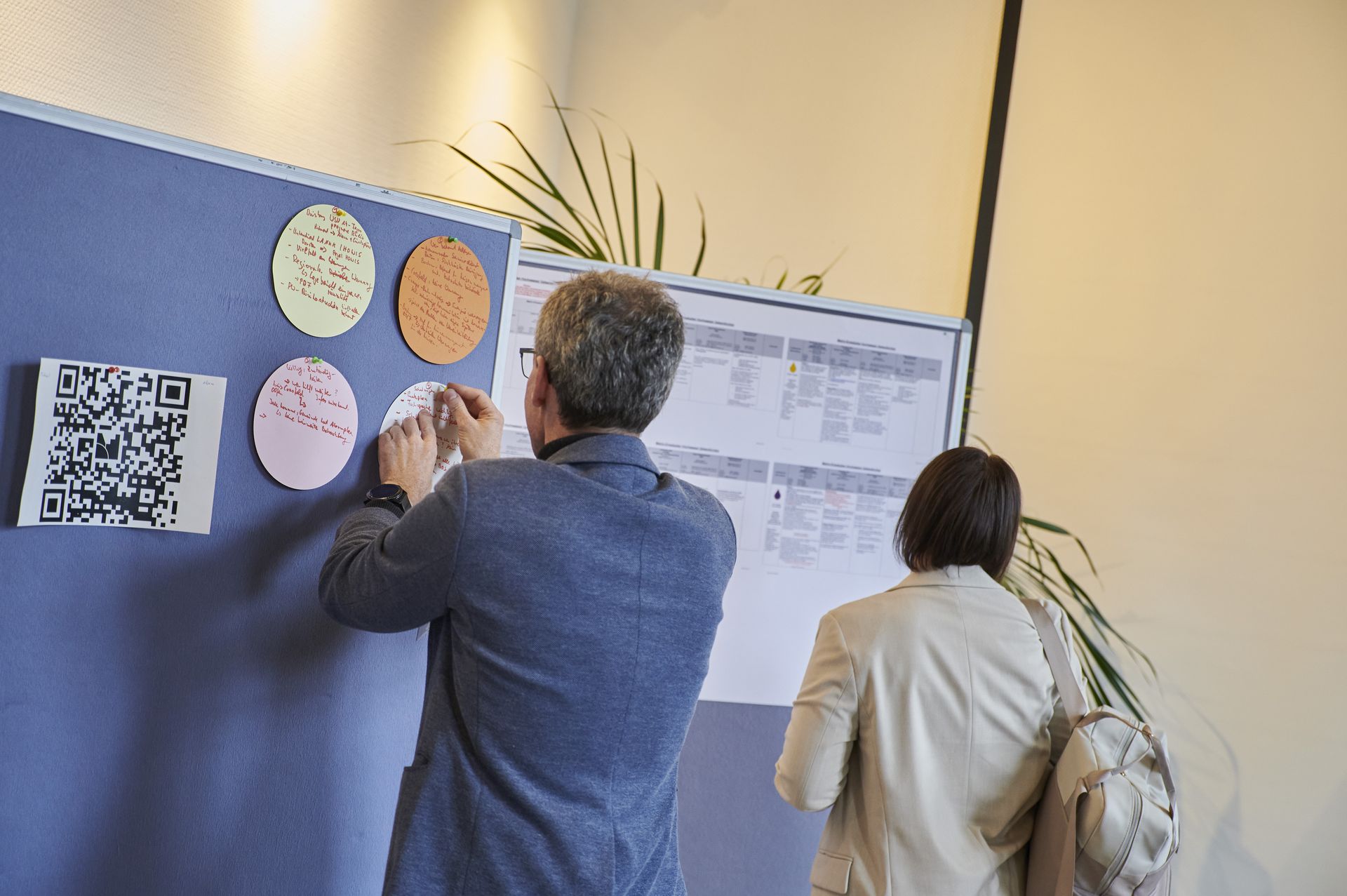
In two workshop sessions, participants discussed concrete solutions for working together in practice.
In the courtyard, EGLV operations teams demonstrated their emergency equipment, including pumps, sandbag alternatives and the mobile emergency power fleet.
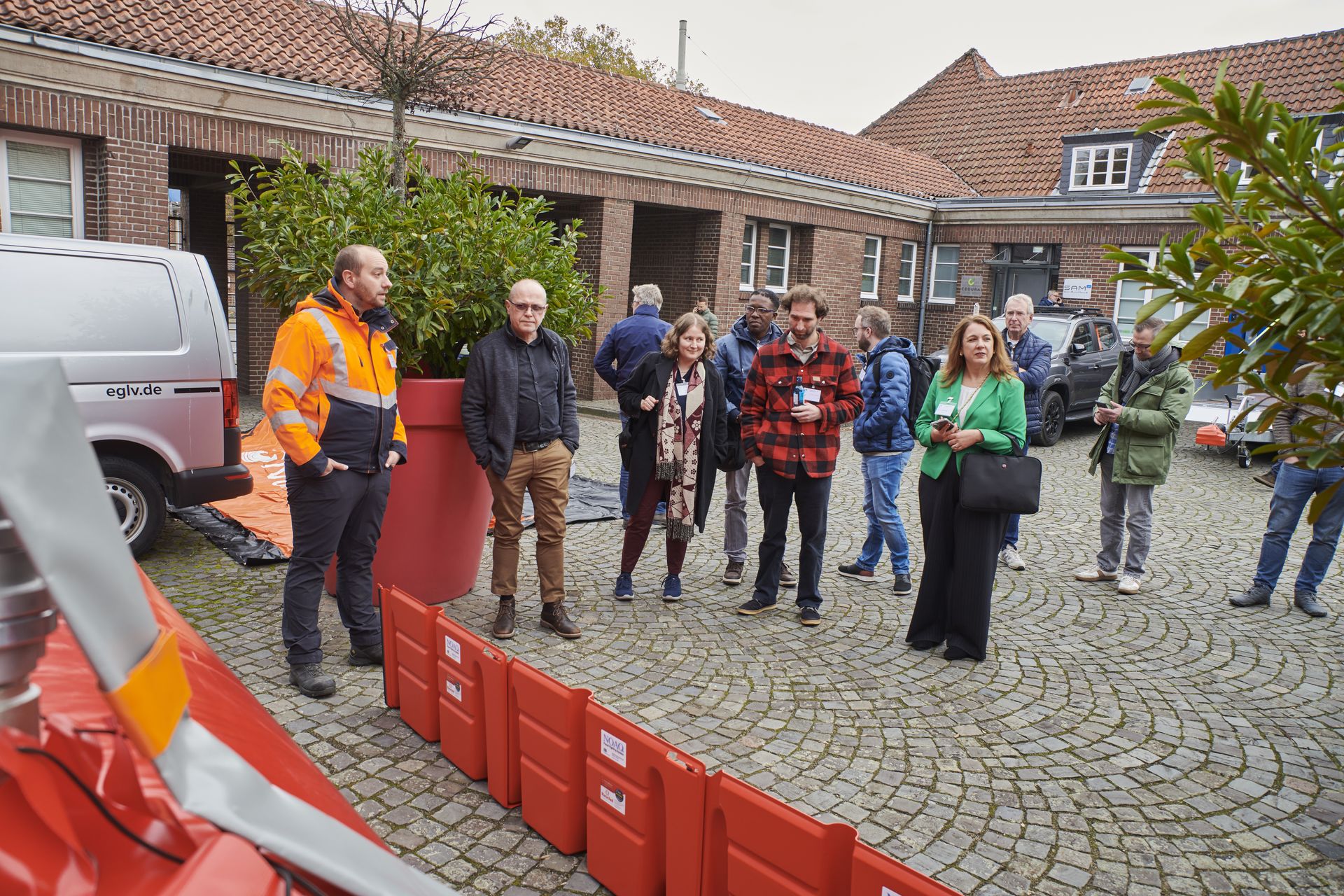
FlashFloodBreaker outputs on display
At the market stalls, participants could explore tools and services developed within FlashFloodBreaker:
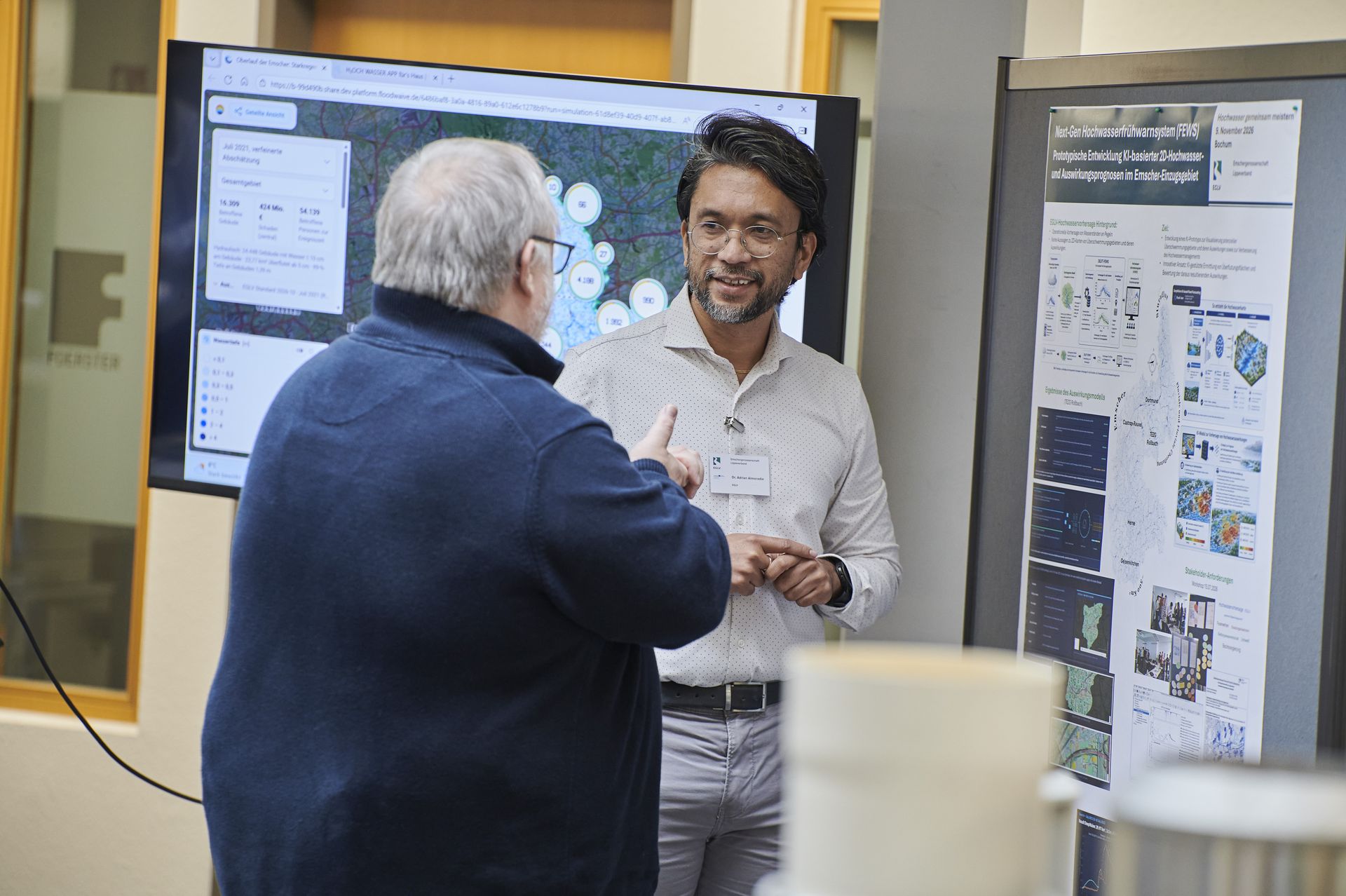
AI-based flood forecasting: EGLV, FloodWaive and Hydrotec presented their demonstrator for high-resolution 2D flood forecasting and impact prediction. It is integrated into the DELFT-FEWS operational forecasting environment and was first tested with end users in a workshop in July 2026.
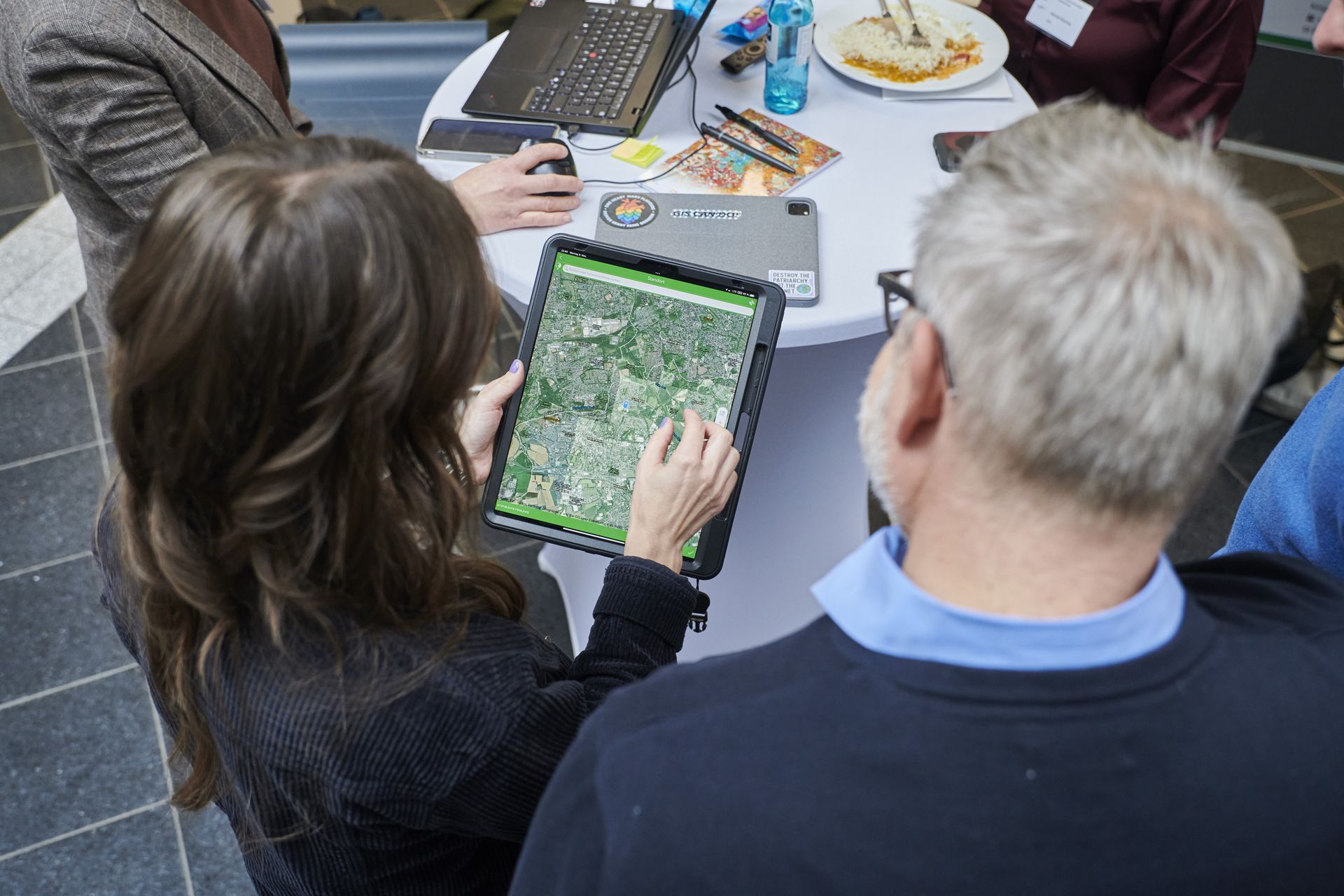
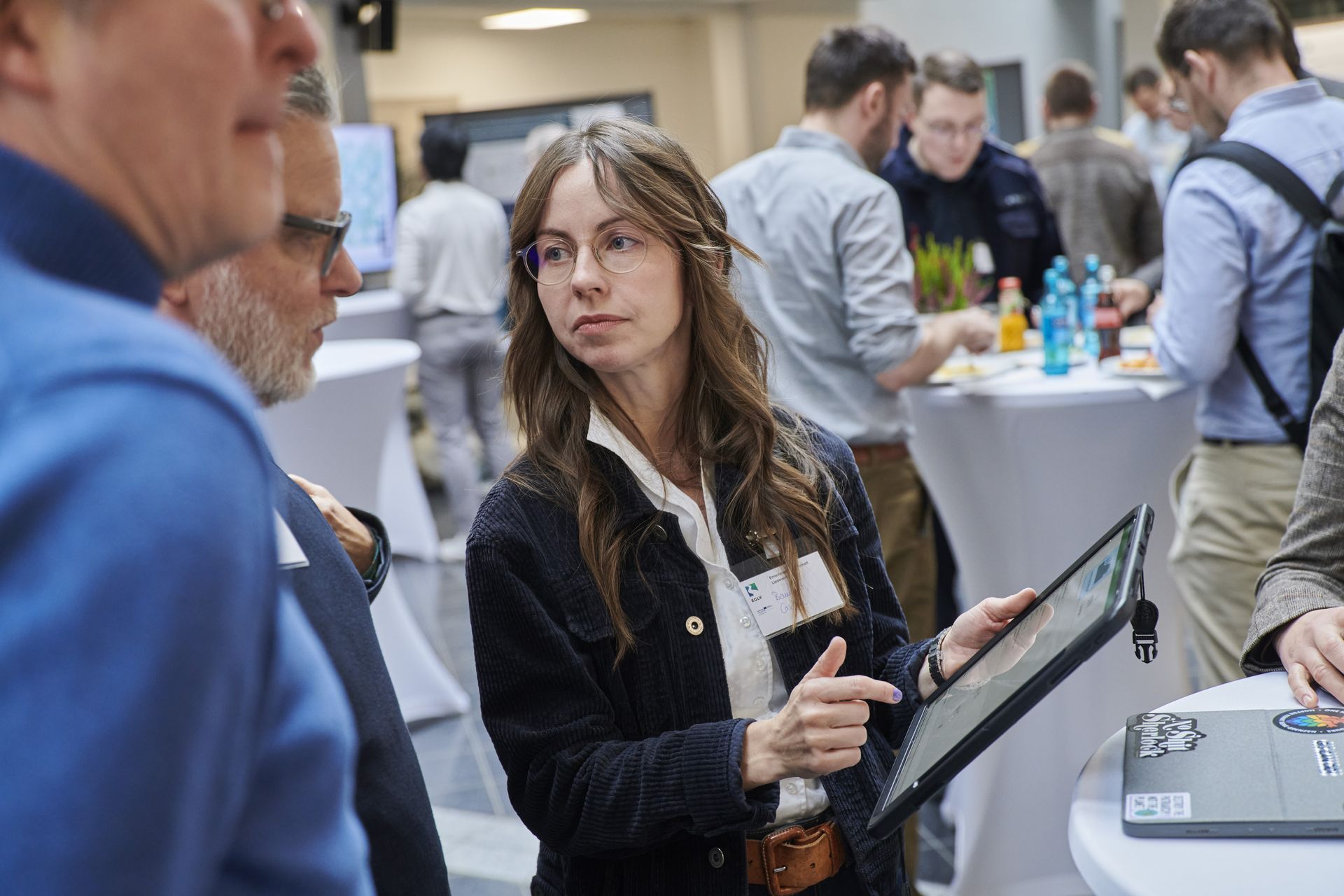
App2C: EGLV presented App2C, its digital dike inspection app, together with a digital map. It helps teams record and share the condition of flood defences quickly.
HOWIS: EGLV presented its precipitation and river level portal. Until now it was used only internally, and it is now being made available to regional partners.
Training: EGLV showed training videos that explain flood terminology and the language of hydrology. They help emergency services and authorities interpret forecasts and warnings correctly.
Communication campaign: The project's public communication campaign developed with the Duisburg Fire Brigade (underwater photography, posters and video) is offered to municipalities as ready-to-use formats for their own risk communication.
Looking ahead
"Mastering Floods Together" builds on years of cooperation between EGLV, its member municipalities, fire brigades and crisis management teams. Within FlashFloodBreaker, this regional network is being strengthened step by step, so that the Emscher-Lippe region is better prepared when the next flash flood comes.
Photo credits: Björn Hickmann & Bernardo Sanchez LaPuente