Île du Saulcy, Metz, 25 September 2026
On the third day of our stay in Metz, the partnership swapped the meeting room for the riverbank. On the Île du Saulcy, an island in the Moselle in the heart of the city, the Sapeurs-Pompiers de la Moselle (SDIS 57) hosted a transnational training for aquatic rescue swimmers.
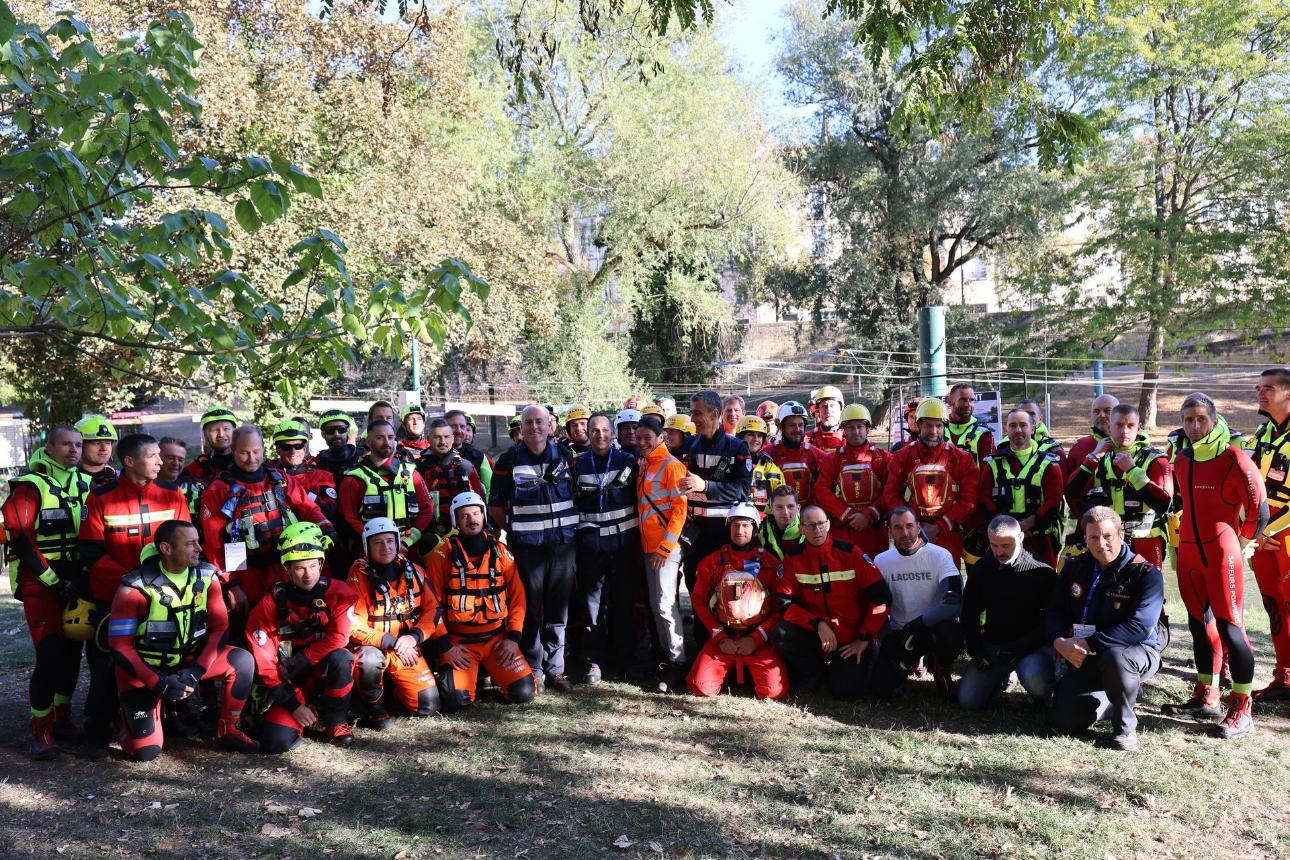
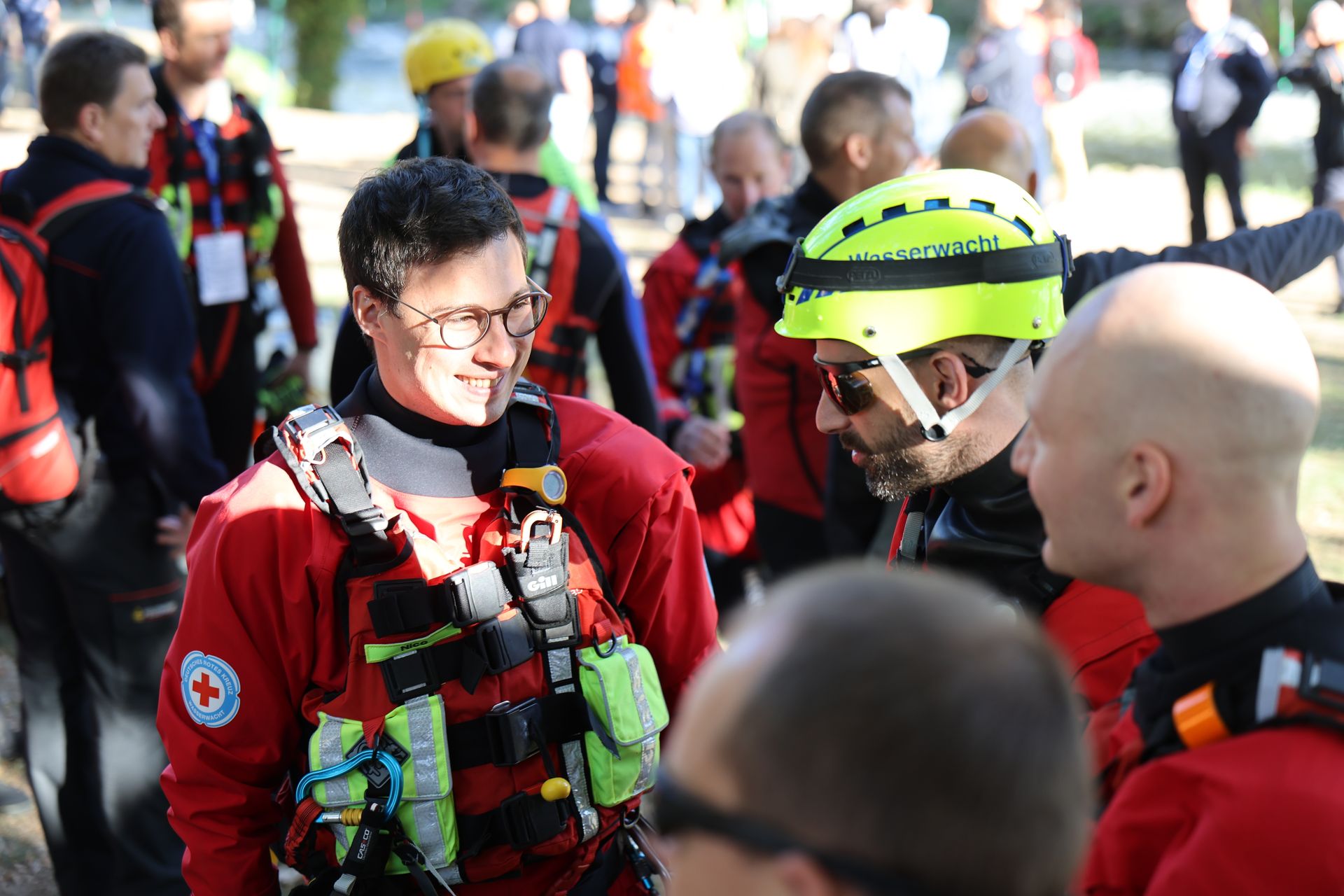
Rescue teams from Germany, France, Belgium and Luxembourg trained side by side in real flowing water, while the FlashFloodBreaker partners watched from the bank.
Why train together?
Flash floods do not respect borders, and neither do the lessons learned from them. Rescue teams that know each other's techniques, equipment and language can act faster when it matters.
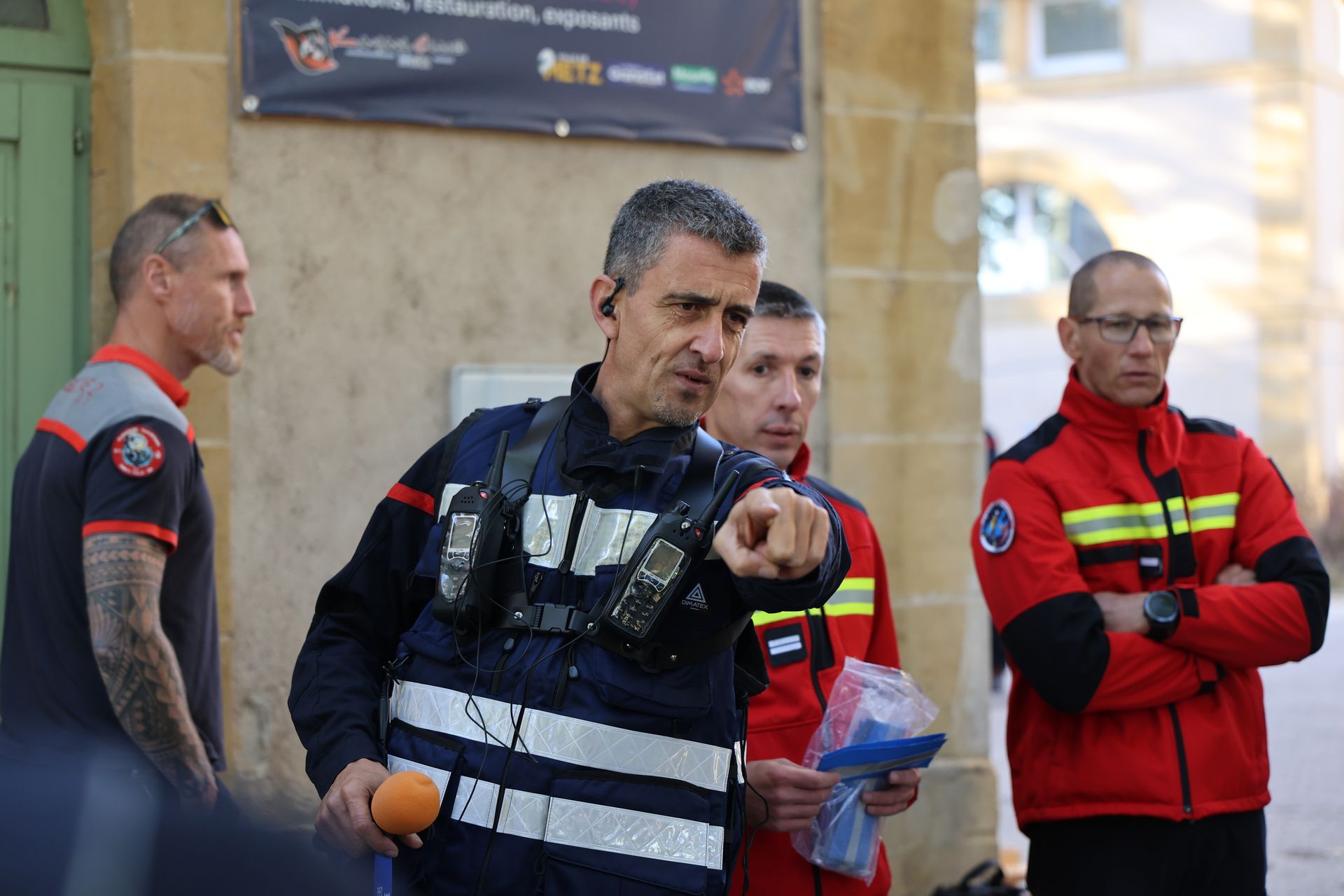
Dominique Roth (SDIS 57), who led the training, puts it plainly: water rescue "can turn into a trap for those who are not prepared for it."
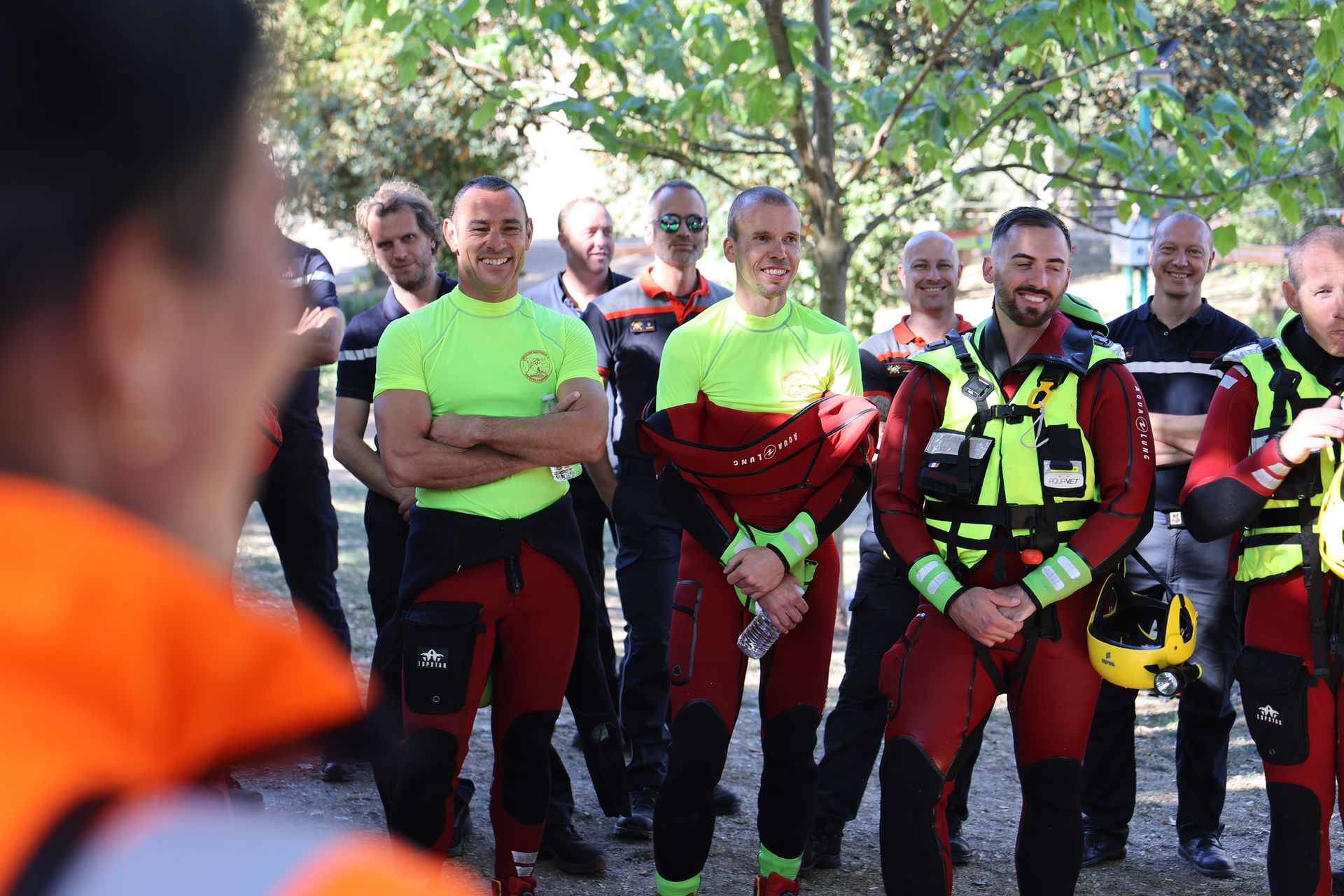
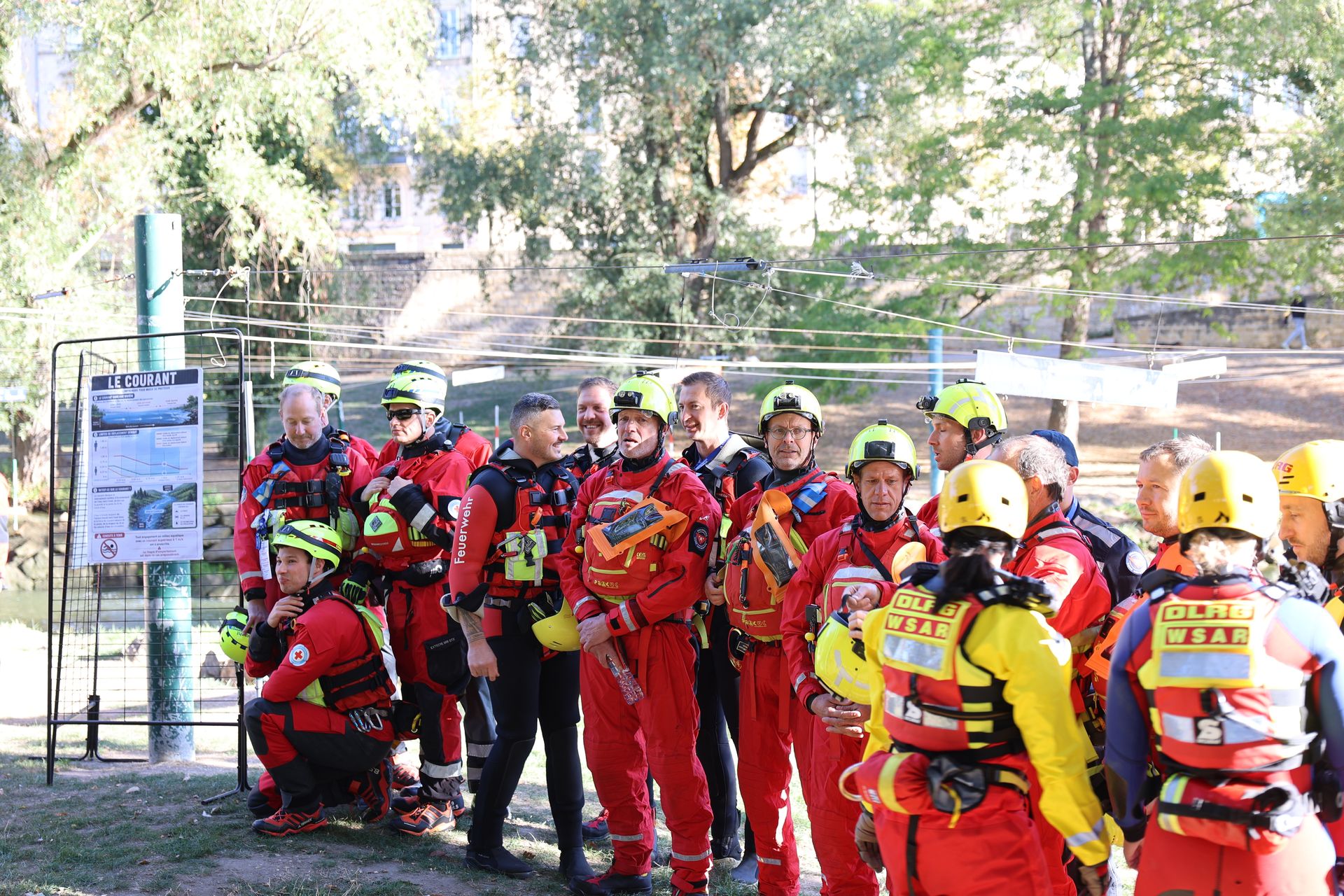
Four countries, one river: rescue teams from Germany, France, Belgium and Luxembourg came to Metz.
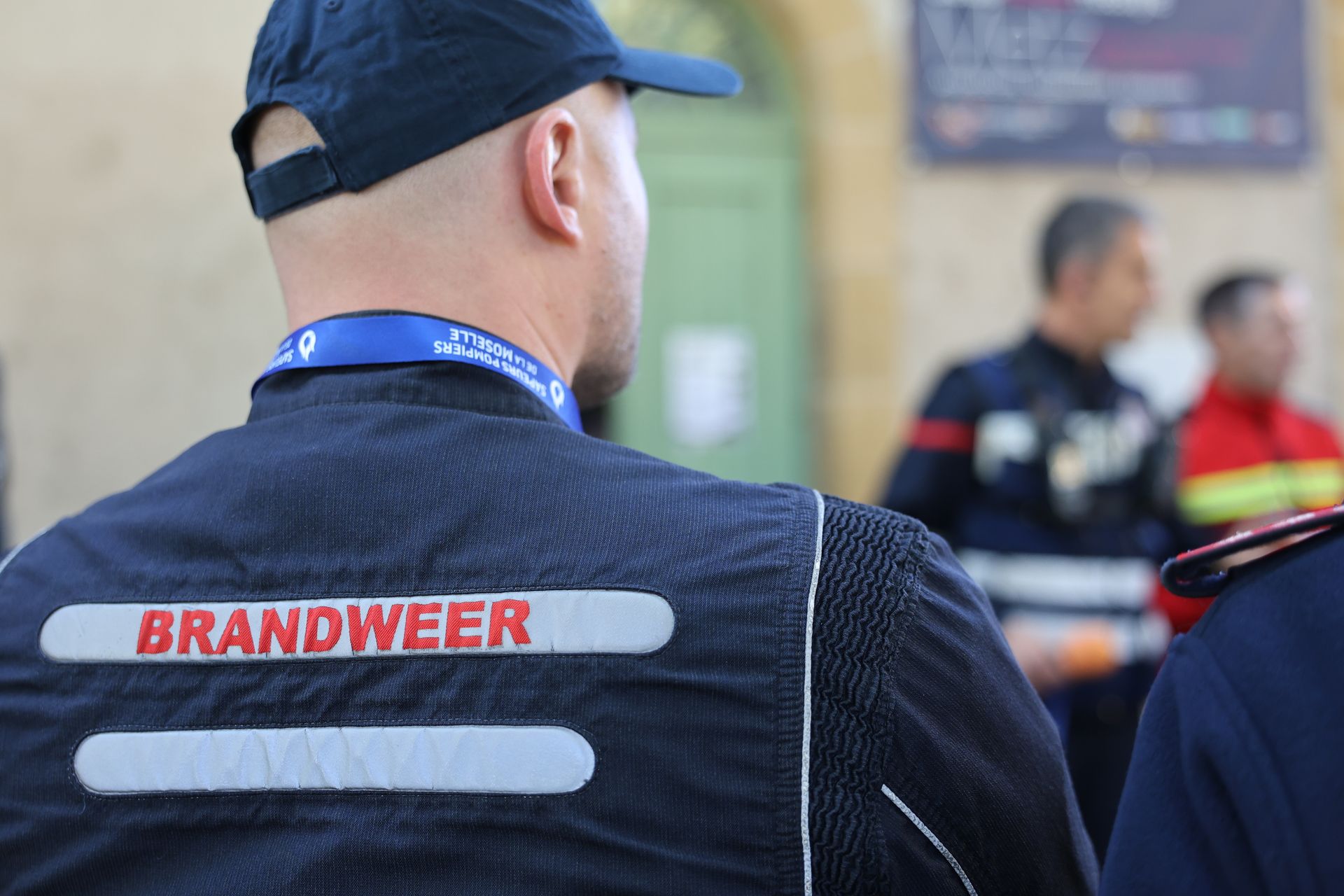
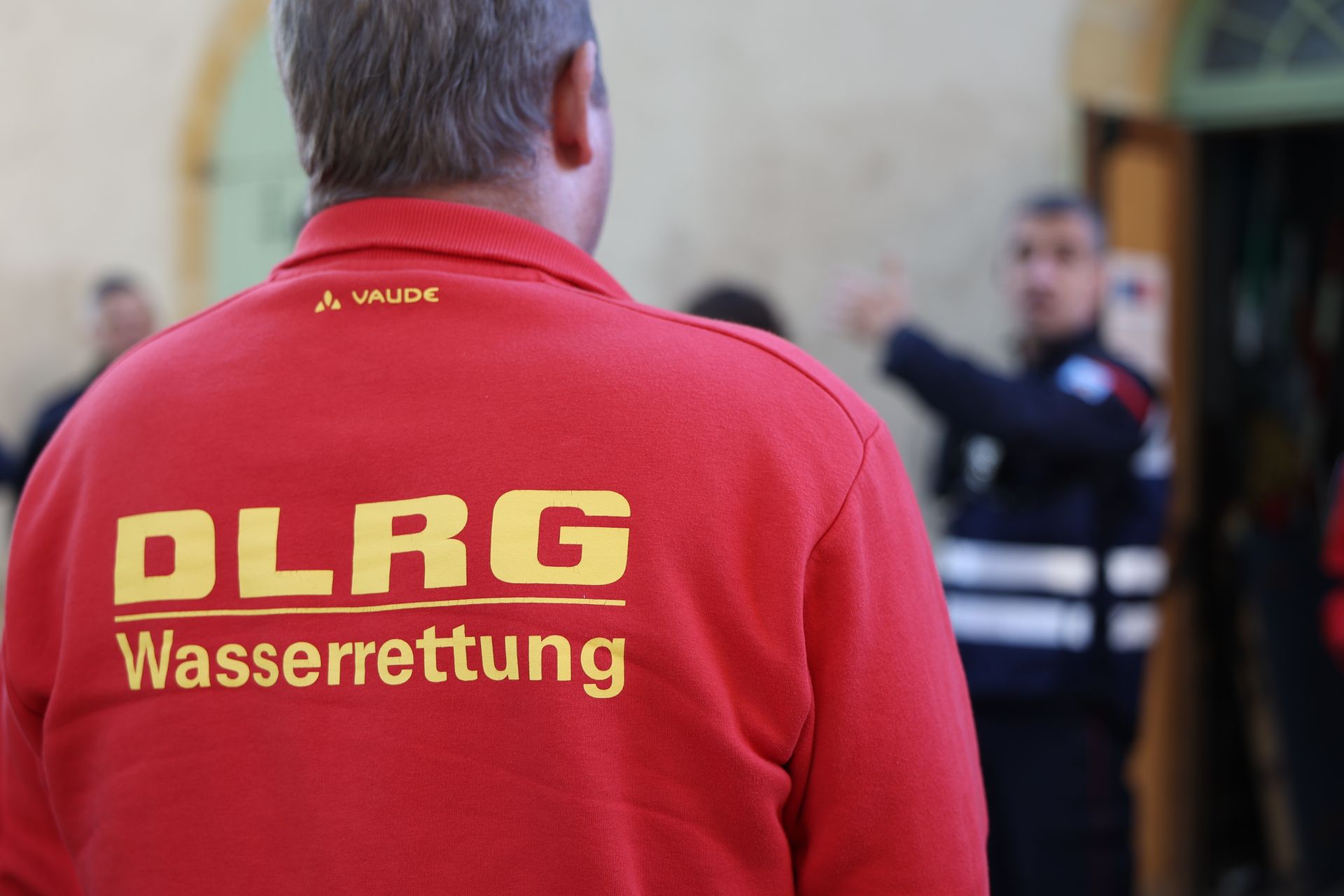
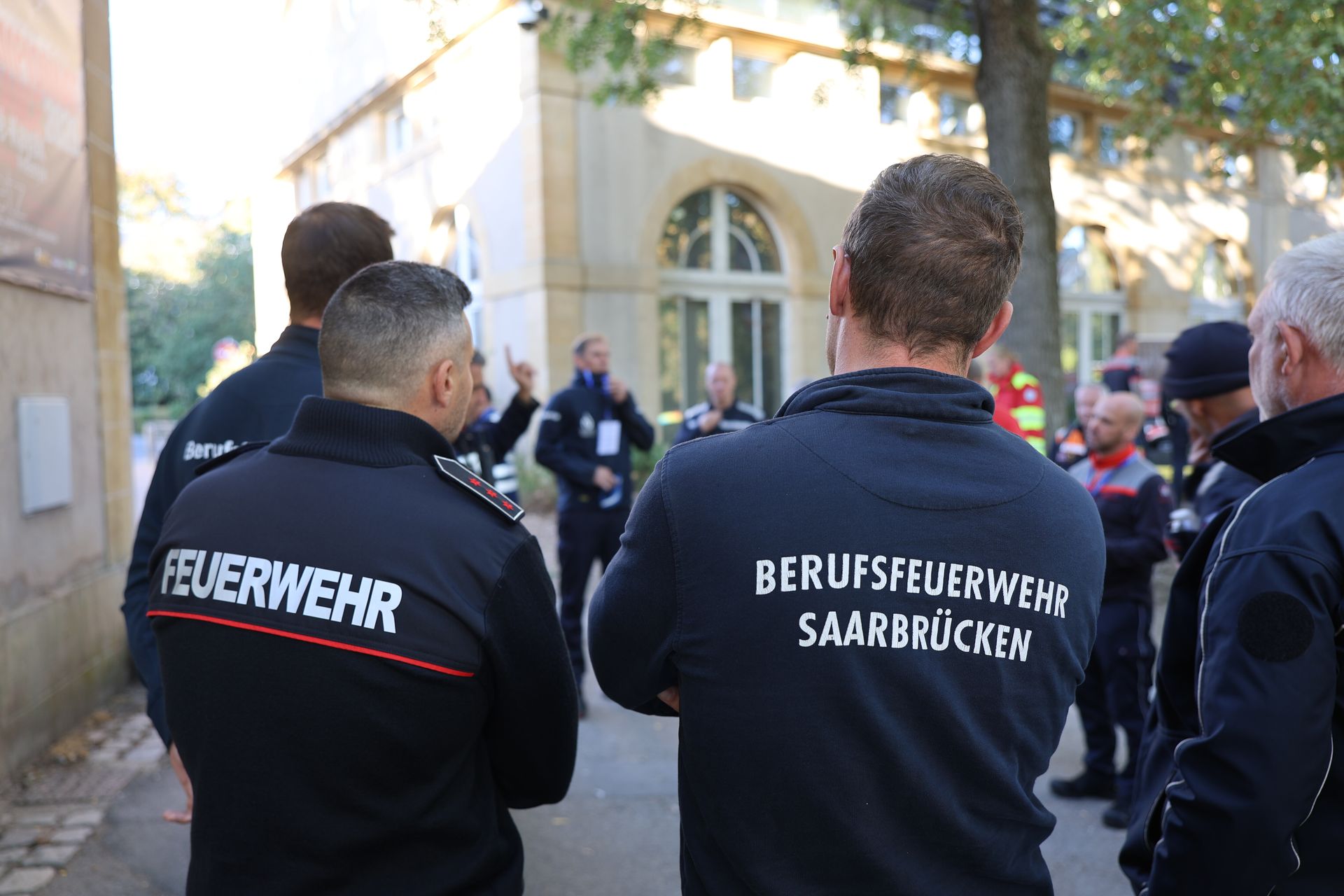
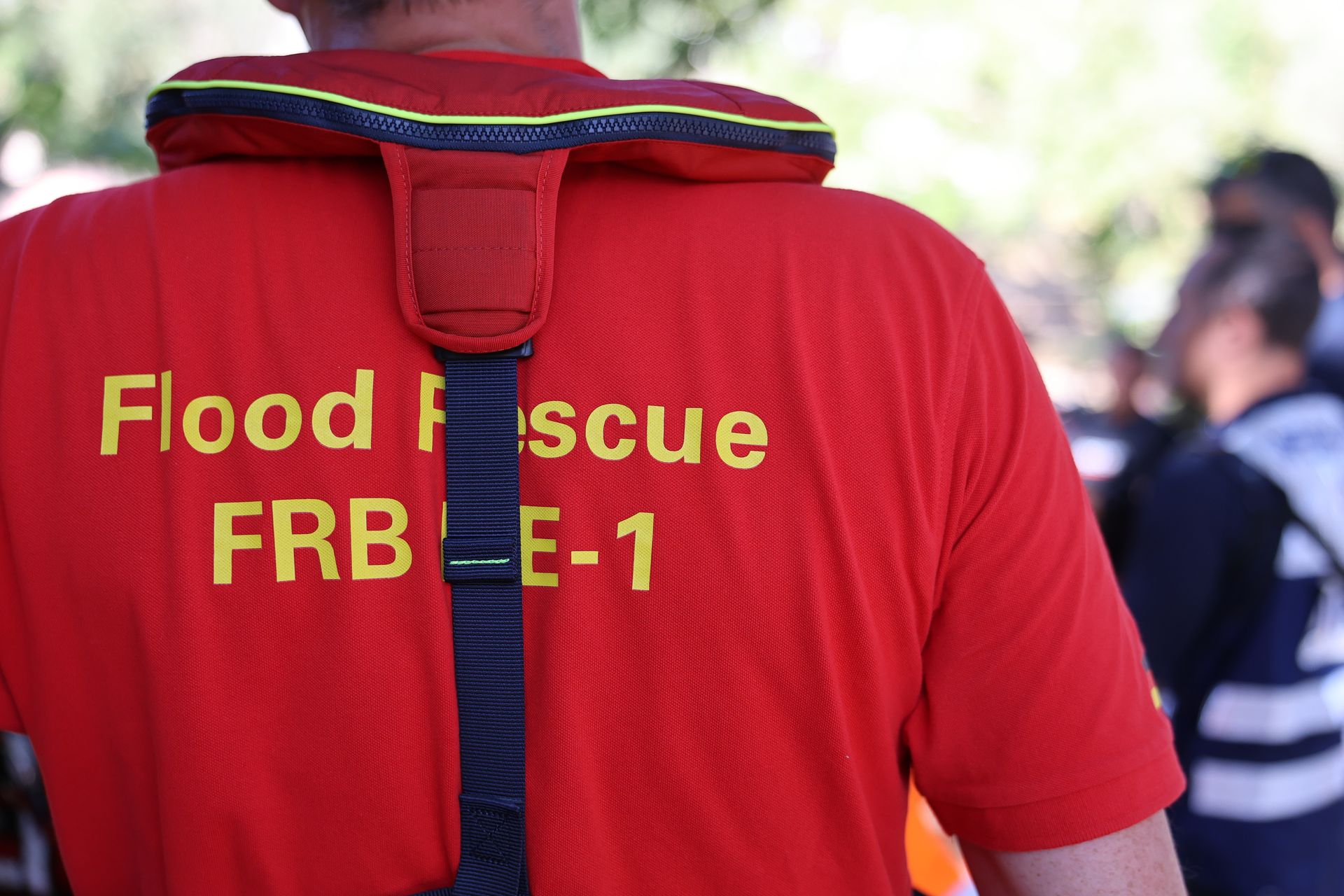
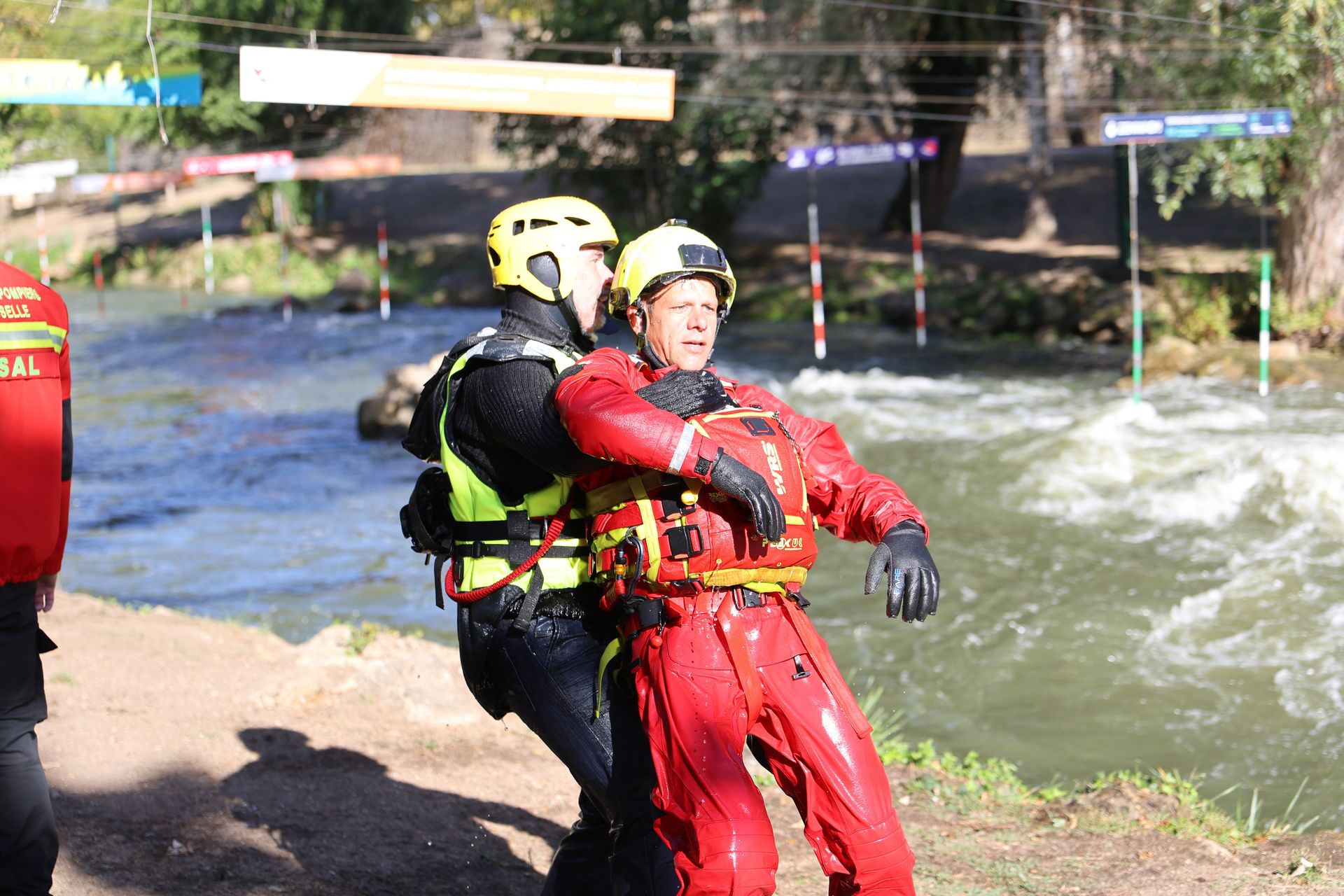
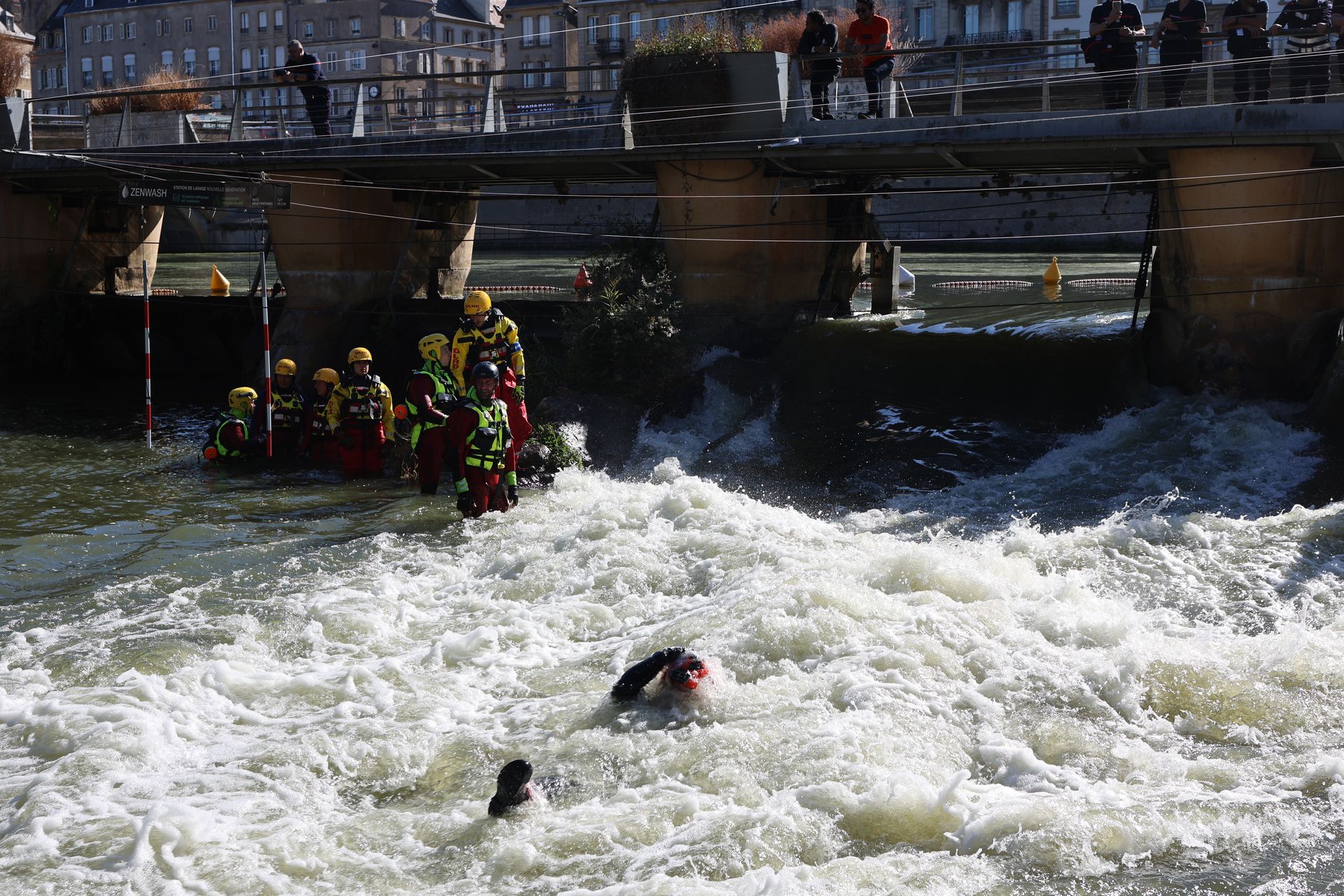
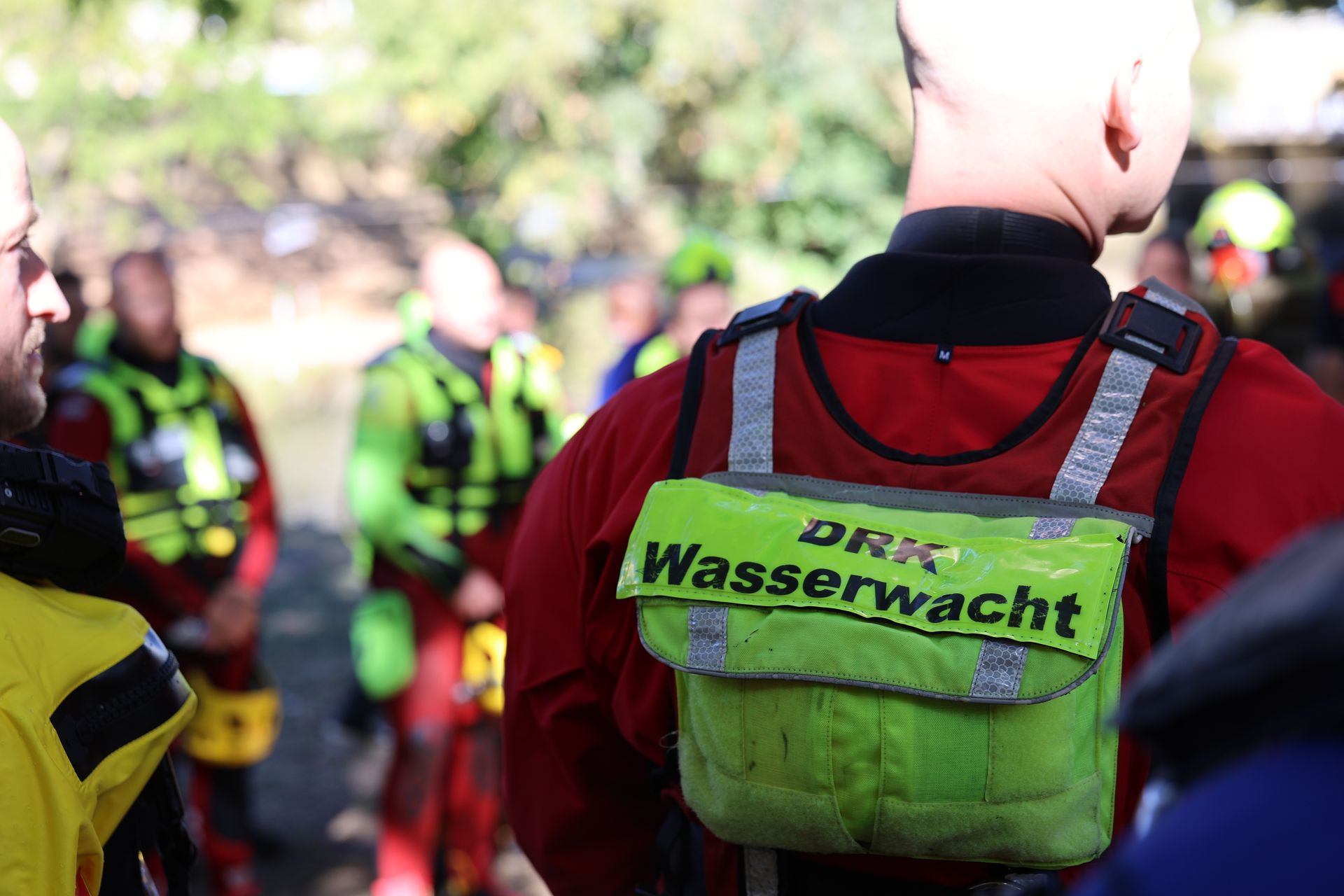 The training also relied on volunteers, who took on the role of people in distress and went into the water again and again so the teams could train under real conditions.
Briefing on the riverbank
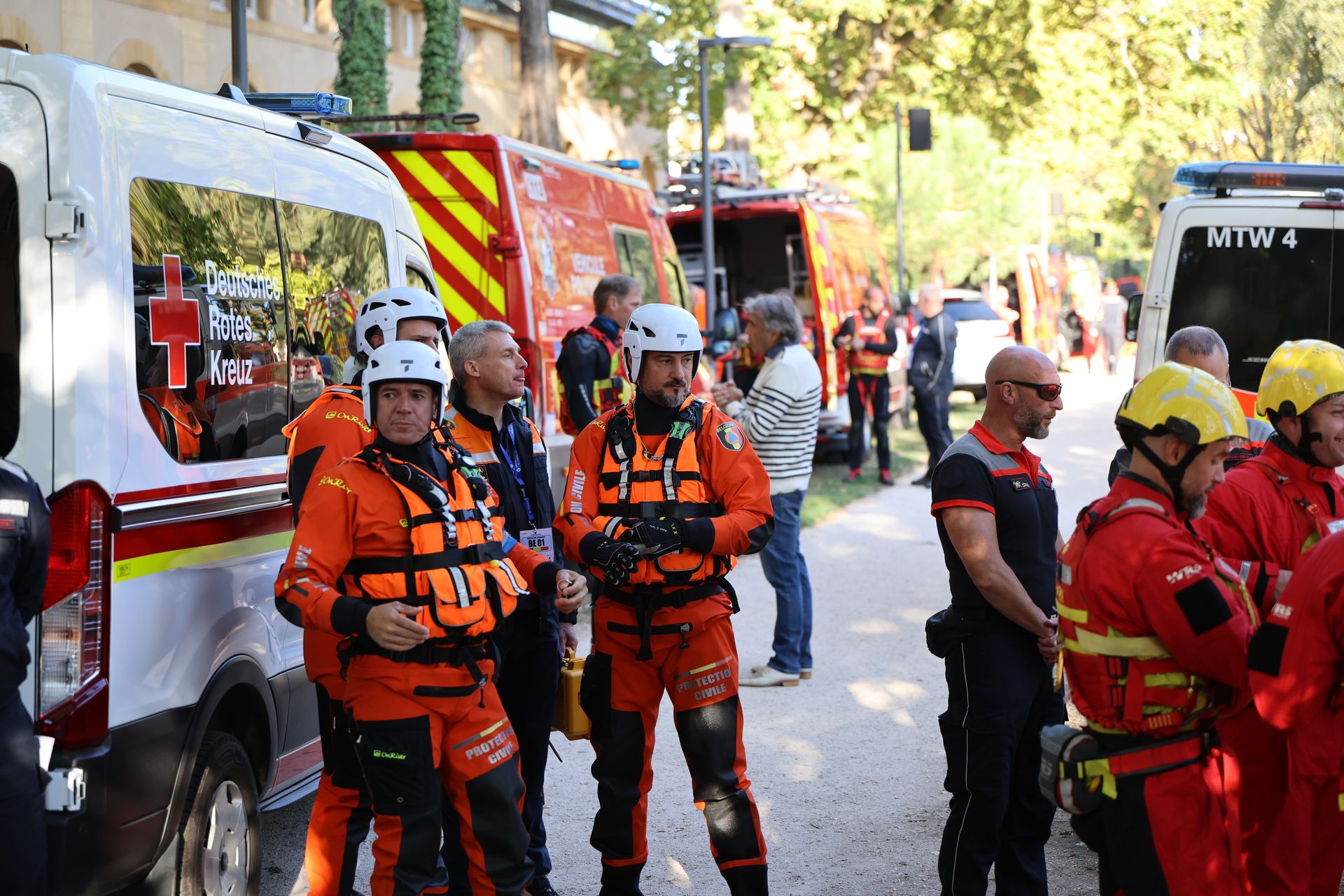
The day began with a presentation by SDIS 57 on the hazards of flash floods in urban areas. Throughout the day, the international teams also showcased the specialised rescue equipment they had brought along.
Scenario 1: Rescue from a slow-flowing river
A person has fallen into the water. The teams reach them using specialised equipment such as a boat.
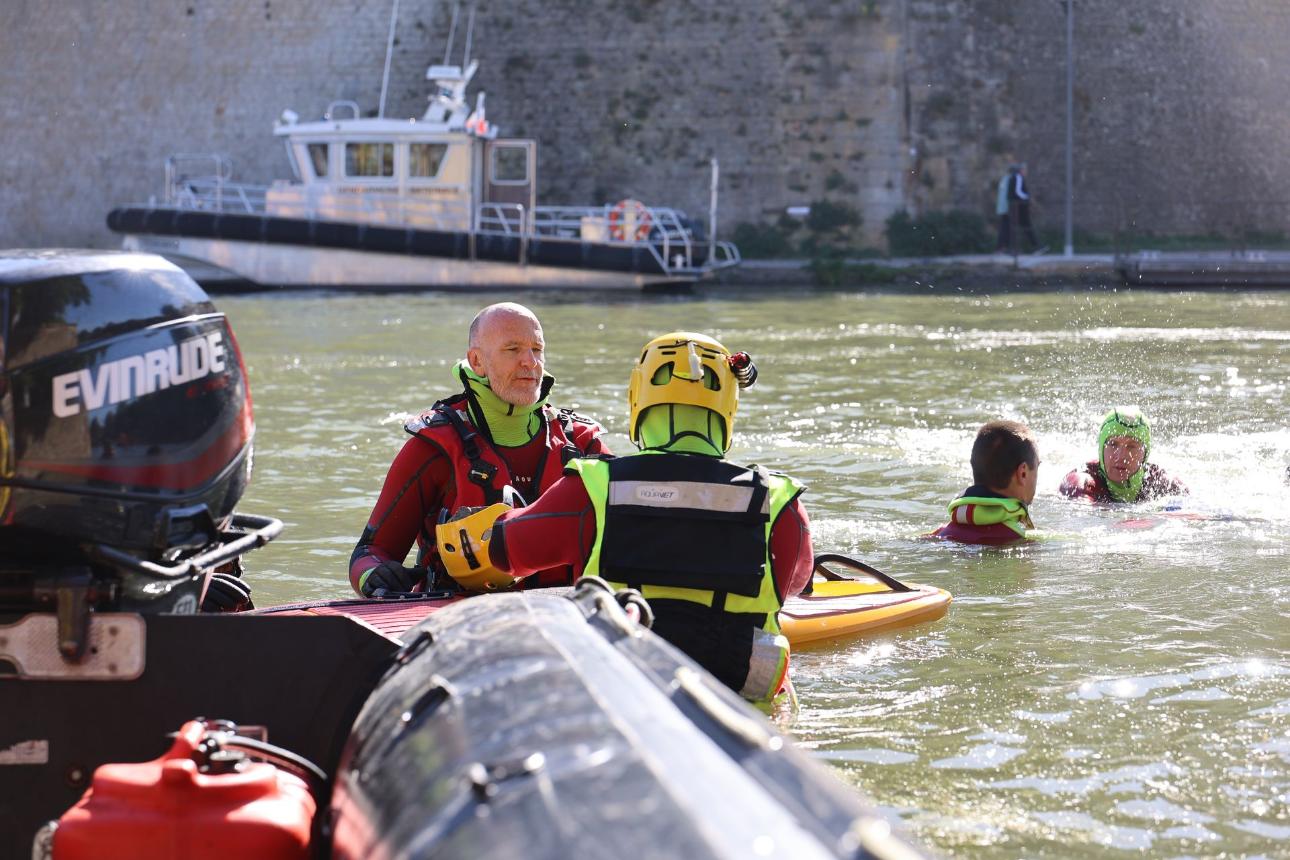
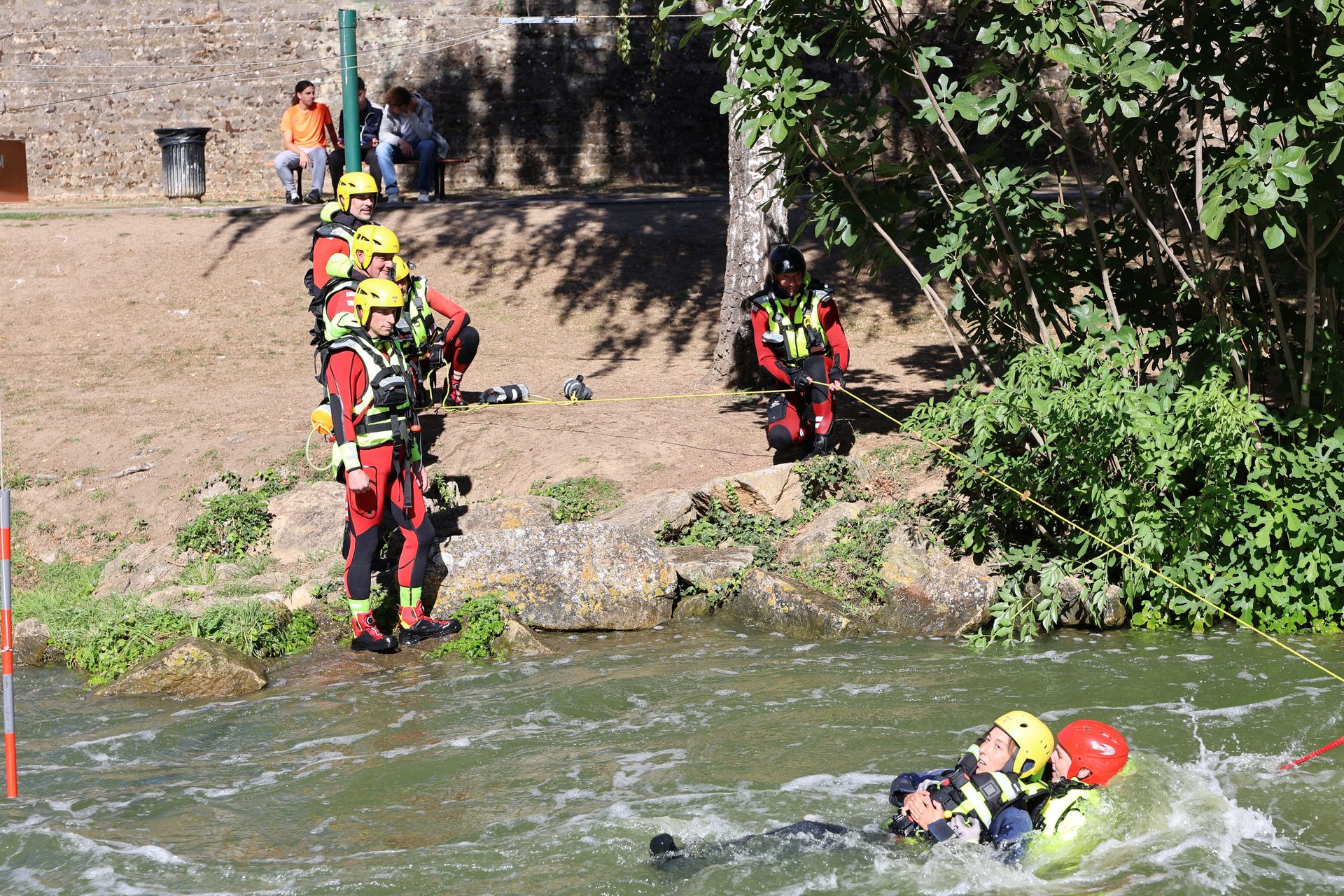
Scenario 2: Rescue from a fast-flowing river
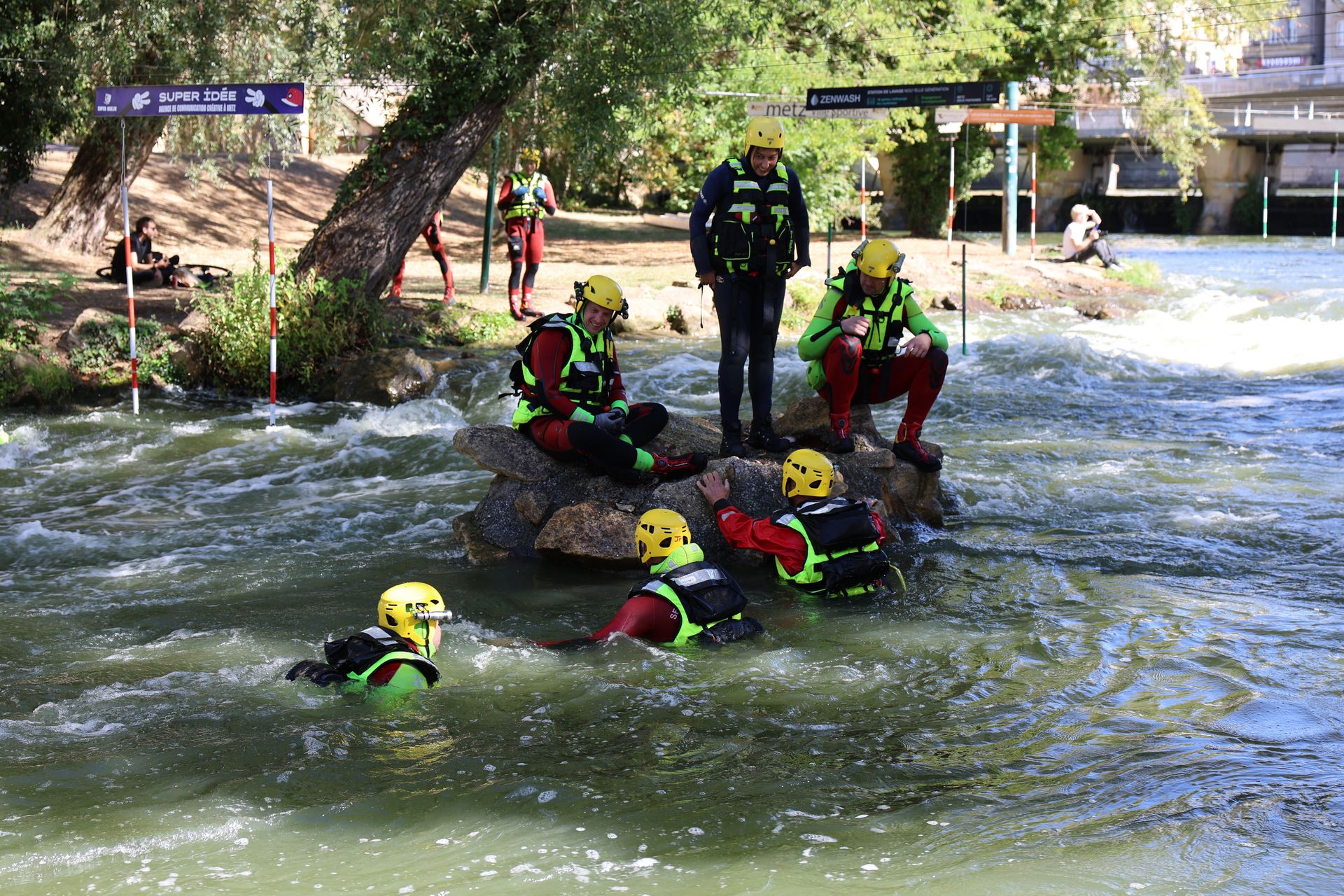
In the current, every second and every movement counts. Rescue swimmers have to read the water before they enter it.
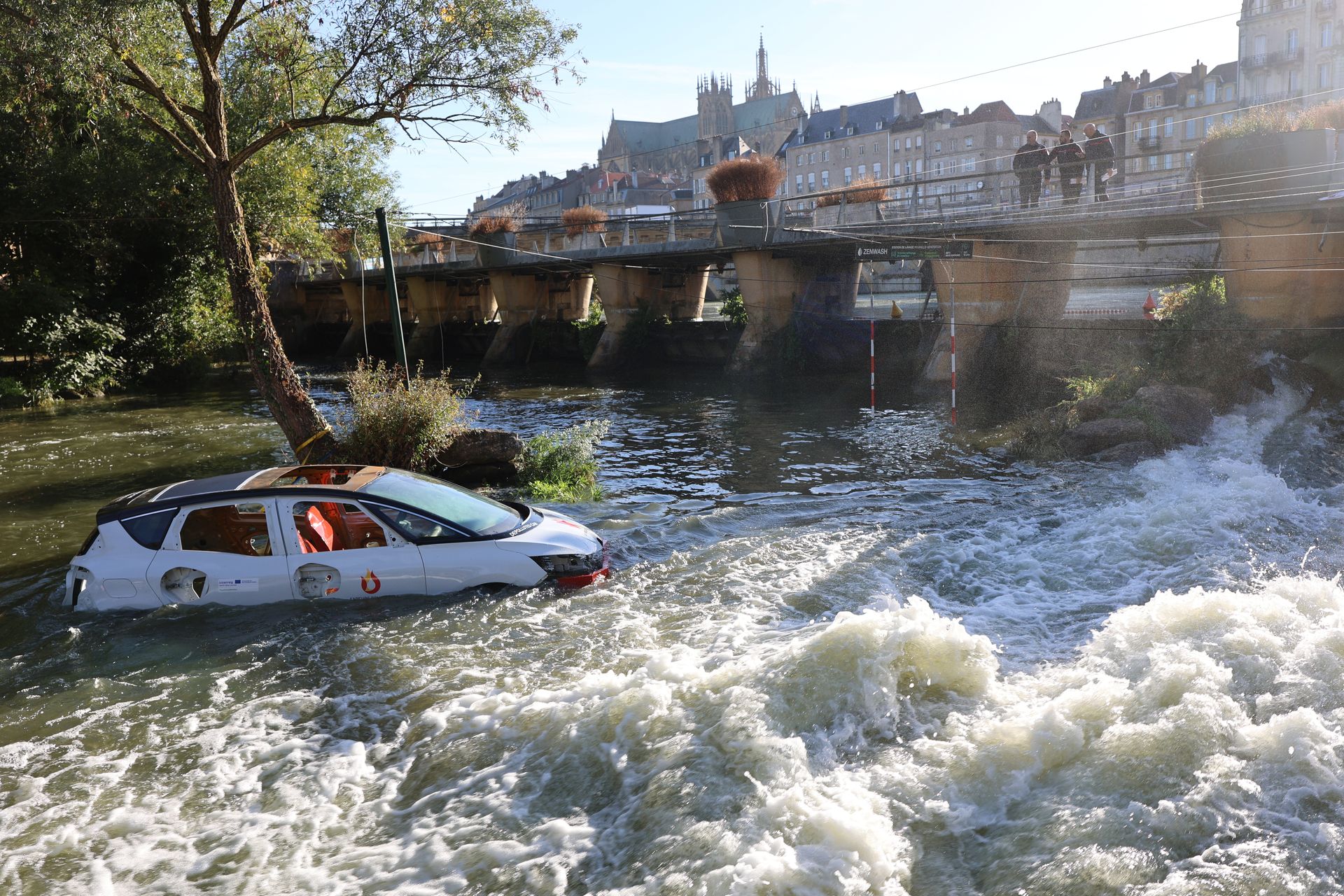
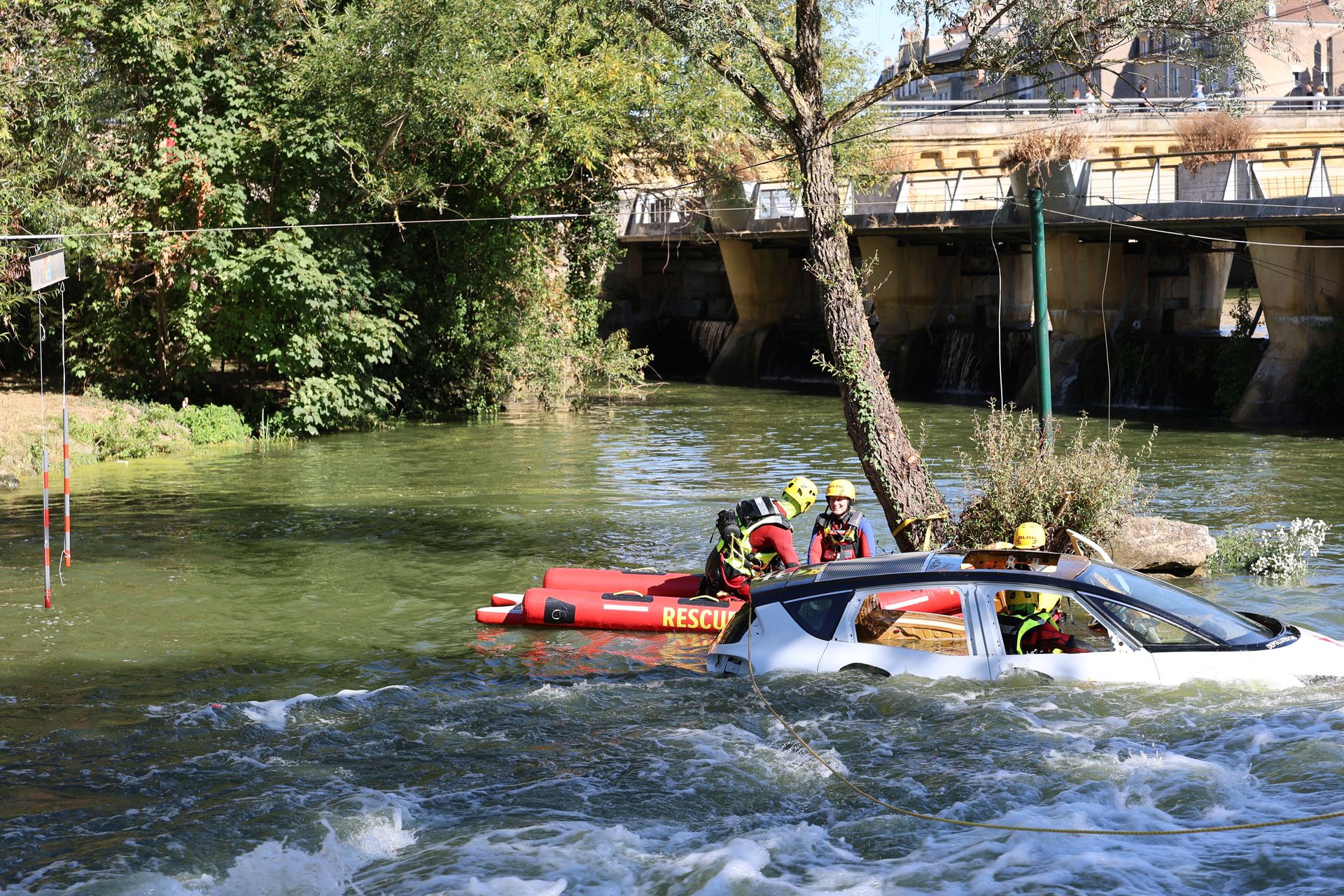
Scenario 3: Trapped inside a vehicle
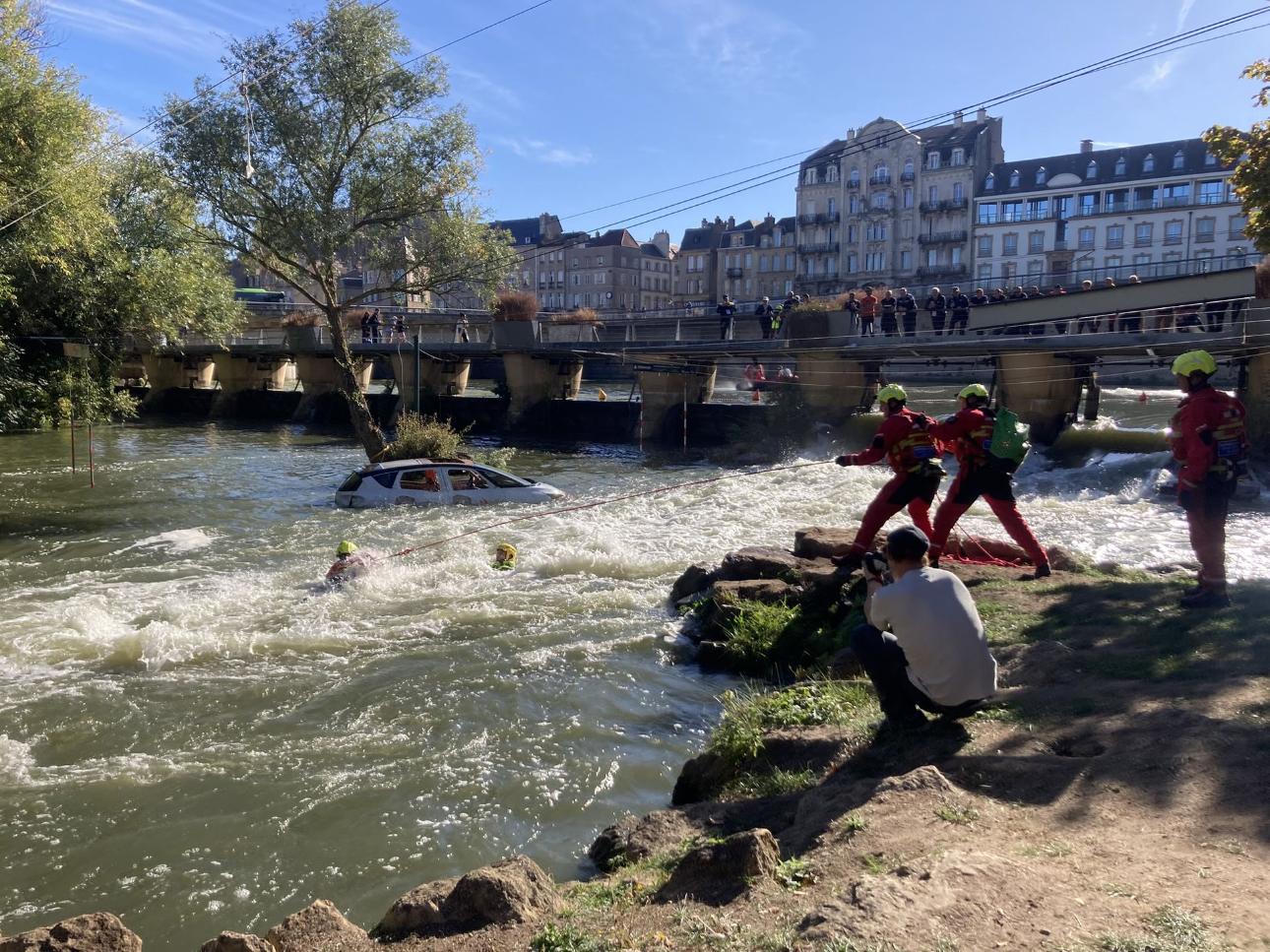
A car in the middle of a fast-flowing river, with a person inside. This scenario reflects one of the most dangerous situations in real flash floods.
Scenario 4: Several people on the top of a rock in a strong current
Several people wait on a rock in the middle of the current. The teams have to coordinate a rescue for all of them.